
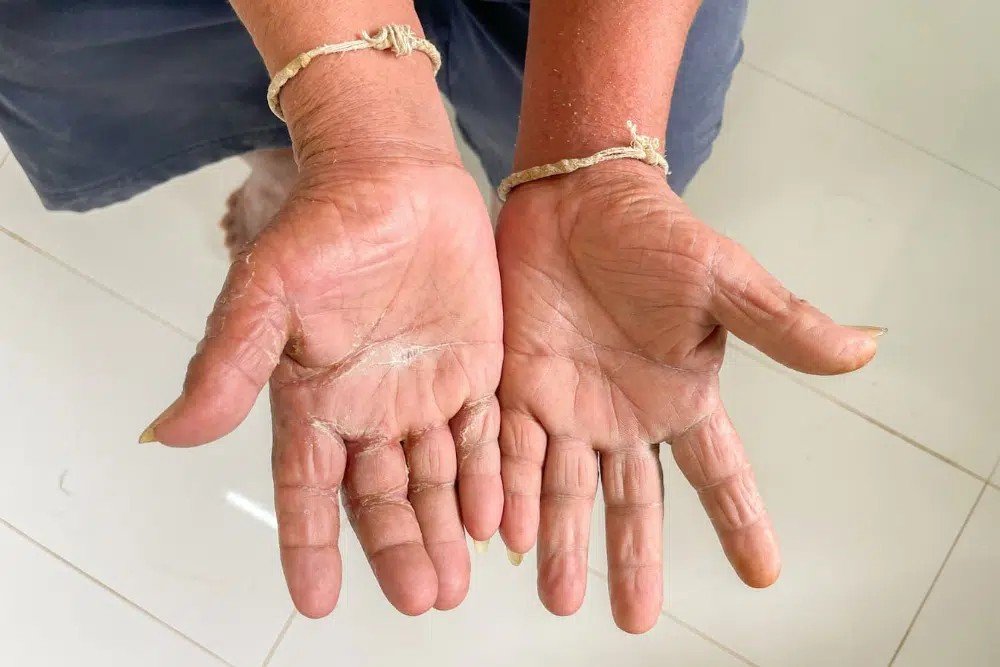
Scleroderma is a complex autoimmune condition that can affect the skin, blood vessels, joints, and internal organs. Because its symptoms often develop gradually, many people may not recognize the condition in its early stages. However, timely medical attention can make a meaningful difference. Scleroderma Treatment in Gurgaon focuses on identifying the condition early, managing symptoms, monitoring organ health, and creating a personalized treatment plan to support better long-term outcomes.
For fast information, direct chat with us on WhatsApp.
Early diagnosis does not mean that scleroderma can always be cured, as there is currently no complete cure for the disease. However, early intervention can help control disease activity, reduce complications, preserve physical function, and improve quality of life. The earlier a patient receives an accurate evaluation, the sooner appropriate care and monitoring can begin.
Understanding Scleroderma and Its Progression
Scleroderma, also known as systemic sclerosis in its systemic form, is an autoimmune disease in which the body’s immune system contributes to abnormal changes in connective tissues. This can lead to skin thickening and tightening and may also affect blood vessels and internal organs.
The disease does not affect everyone in the same way. Some people experience primarily skin-related symptoms, while others may develop complications involving the lungs, heart, kidneys, or digestive system. This variation makes early and accurate assessment especially important.
Without proper evaluation, early symptoms may be mistaken for other health concerns. Recognizing warning signs and consulting a rheumatologist can help patients begin the right journey toward Scleroderma Treatment in Gurgaon before significant complications develop.
Why Is Early Diagnosis Important in Scleroderma?
One of the biggest challenges in managing scleroderma is that its symptoms can be subtle in the beginning. A person may initially notice cold or discolored fingers, swollen hands, mild skin tightness, joint stiffness, or fatigue. These symptoms may seem unrelated or temporary.
Early diagnosis provides an opportunity to understand the type and severity of the disease and assess the risk of organ involvement. Current clinical guidelines emphasize early diagnosis, classification, and risk stratification because they help specialists plan appropriate investigations, monitoring, and individualized management.
When scleroderma is identified early, doctors can establish a baseline for the patient’s health and monitor changes over time. This proactive approach can be particularly valuable when the disease has the potential to progress or affect vital organs.
Early Detection Can Help Protect Internal Organs
Systemic scleroderma can affect more than the skin. In some cases, the lungs, heart, kidneys, and digestive system may also be involved. Detecting organ-related changes early allows doctors to monitor and manage complications before they become more severe.
Depending on a patient’s symptoms and clinical condition, evaluation may include blood tests, imaging, lung function testing, heart assessment, and other investigations. These tests help healthcare professionals understand how the disease is affecting the body and guide further treatment decisions.
Regular monitoring is therefore an essential part of Scleroderma Treatment in Gurgaon. It allows the treatment plan to be adjusted when needed and supports a more proactive approach to long-term care.
How Early Scleroderma Treatment Can Improve Outcomes
Starting appropriate treatment early can help manage symptoms and limit the impact of ongoing disease activity. The exact treatment approach depends on several factors, including the type of scleroderma, the organs involved, and the severity of symptoms.
Treatment may focus on:
- Controlling abnormal immune system activity
- Managing inflammation and pain
- Improving circulation and treating Raynaud’s phenomenon
- Maintaining skin and joint mobility
- Monitoring and protecting affected organs
- Supporting daily function and independence
Clinical guidance also recognizes the importance of early assessment and treatment in patients with early systemic sclerosis who may be at risk of progression or organ complications. Treatment decisions should always be individualized and made under specialist supervision.
Early care can also help patients understand their condition and take an active role in managing their health.
Recognizing Early Symptoms of Scleroderma
Seeking medical advice promptly is important when symptoms are persistent or unexplained. Some early signs that deserve attention include:
- Puffy or swollen fingers
- Tightening or thickening of the skin
- Fingers changing color in response to cold or stress
- Joint pain or stiffness
- Unusual fatigue
- Heartburn or difficulty swallowing
- Shortness of breath
- Muscle weakness
These symptoms do not always indicate scleroderma. However, a proper evaluation is important when they persist or occur together. Raynaud’s phenomenon and puffy fingers, for example, are among the features considered important in the early assessment of systemic sclerosis.
A timely consultation can help determine whether further testing or specialist care is needed.
The Role of a Rheumatologist in Scleroderma Treatment in Gurgaon
Scleroderma requires careful evaluation because it can affect different body systems. A rheumatologist plays an important role in diagnosing autoimmune and connective tissue diseases and coordinating long-term disease management.
An individualized approach to Scleroderma Treatment in Gurgaon may involve evaluating symptoms, identifying the extent of disease involvement, monitoring organ function, and recommending appropriate medical treatment. In some cases, care may also involve other specialists, such as pulmonologists, cardiologists, dermatologists, gastroenterologists, and physiotherapists.
A multidisciplinary approach can be particularly valuable when multiple organs or body systems are affected. Modern guidelines also highlight the importance of specialist assessment and coordinated care for patients with systemic sclerosis.
Maintaining Mobility and Quality of Life
Early diagnosis is not only about preventing medical complications. It can also help preserve mobility and independence. Skin tightening, joint stiffness, and muscle problems may gradually affect everyday activities if they are not properly addressed.
Physical therapy, occupational support, regular movement, and appropriate medical care may help patients maintain flexibility and function. Early treatment of skin and musculoskeletal symptoms can also help reduce the risk of long-term changes that affect movement.
A comprehensive Scleroderma Treatment in Gurgaon plan should therefore focus on the whole person, not just one symptom. Managing discomfort, maintaining function, monitoring health, and supporting emotional well-being are all important aspects of long-term care.
Personalized Monitoring Makes a Difference
Scleroderma is not a one-size-fits-all condition. The disease can progress differently from one person to another. This is why regular follow-up and personalized monitoring are essential.
A patient’s treatment plan may change over time based on symptoms, test results, disease activity, and organ involvement. Early diagnosis provides a starting point for this ongoing monitoring and helps doctors identify changes sooner.
For individuals seeking Scleroderma Treatment in Gurgaon, working closely with an experienced rheumatology specialist can support informed decisions throughout the course of the condition.
Conclusion
Early diagnosis can play a vital role in improving scleroderma treatment outcomes. While there is no complete cure for scleroderma, identifying the condition at an early stage can help doctors monitor disease progression, manage symptoms, assess organ involvement, and begin appropriate treatment when needed.
The key is not to ignore persistent symptoms such as skin tightening, swollen fingers, Raynaud’s phenomenon, unexplained joint stiffness, or breathing difficulties. Early evaluation offers an opportunity for timely intervention and personalized care.
With proper medical guidance, regular monitoring, and an individualized treatment strategy, Scleroderma Treatment in Gurgaon can help patients manage the challenges of this complex autoimmune condition and work toward maintaining better function and quality of life.