
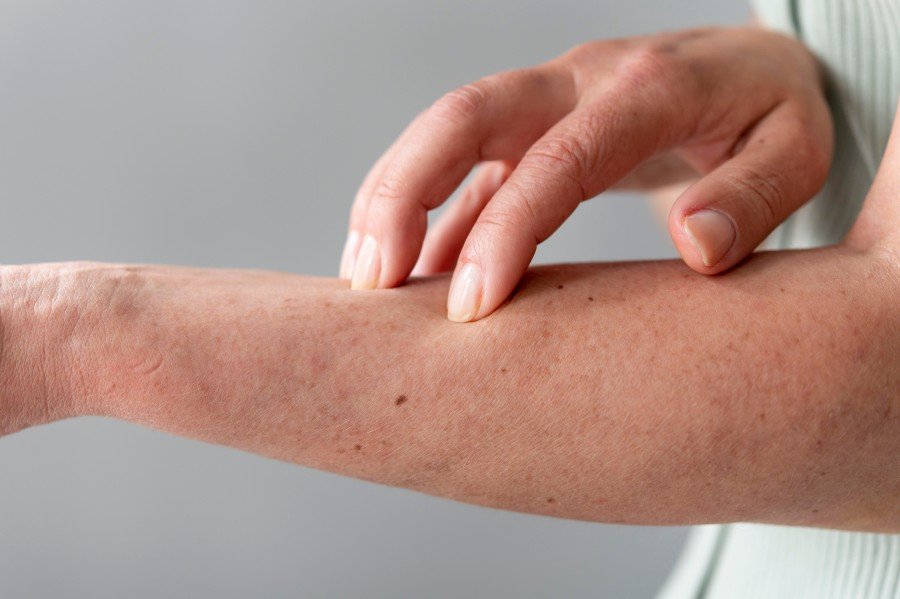
Scleroderma is a rare autoimmune disease that affects the skin, connective tissues, and sometimes internal organs. Its symptoms vary from mild skin tightening to serious complications involving the lungs, heart, kidneys, or digestive system. While there is no complete cure, early diagnosis and the right treatment plan can slow disease progression, manage symptoms, and help patients lead healthier, more active lives.
If you are looking for Scleroderma treatment in Gurugram, consulting Dr. Naval Mendiratta’s Clinic at the earliest stage can make a significant difference in preserving function and improving long-term outcomes.
The right scleroderma treatment can improve quality of life by controlling inflammation, managing symptoms, preventing complications, and preserving organ function. Early diagnosis, regular monitoring, medication, physical therapy, and lifestyle modifications help patients stay active and maintain independence despite living with this chronic autoimmune condition.
Understanding Scleroderma
Scleroderma, also known as systemic sclerosis, is an autoimmune disorder in which the immune system mistakenly attacks healthy connective tissues. As a result, the body produces excessive collagen, leading to thickened skin and damage to blood vessels and internal organs.
The disease can affect people differently. Some individuals experience only skin-related symptoms, while others develop complications involving vital organs.
There are two main forms:
- Localized scleroderma
- Systemic sclerosis
Systemic sclerosis requires specialized care because it can affect multiple organs simultaneously.
Common Symptoms You Should Never Ignore
Recognizing symptoms early helps doctors begin treatment before permanent damage occurs.
Common signs include:
- Thick or tight skin
- Swollen fingers and hands
- Raynaud’s phenomenon (fingers turning white or blue in cold temperatures)
- Joint pain and stiffness
- Fatigue
- Heartburn and acid reflux
- Difficulty swallowing
- Shortness of breath
- Muscle weakness
Since symptoms often develop gradually, many patients mistake them for other conditions. Therefore, timely evaluation by a rheumatologist remains essential.
Why Early Diagnosis Matters
One of the biggest challenges with scleroderma is delayed diagnosis. Many patients seek medical care only after symptoms begin affecting daily activities.
Early diagnosis offers several advantages:
- Slows disease progression
- Helps protect internal organs
- Reduces long-term disability
- Improves treatment effectiveness
- Enhances overall quality of life
Modern diagnostic tools, blood tests, imaging studies, and clinical evaluation allow specialists to identify the disease earlier than ever before.
How Scleroderma Treatment in Gurugram Can Improve Quality of Life
Living with scleroderma requires a personalized treatment strategy rather than a one-size-fits-all approach. Every patient’s symptoms, disease severity, and organ involvement are unique.
An experienced rheumatologist focuses on both symptom relief and preventing complications.
Treatment goals typically include:
Controlling Immune System Activity
Medications help reduce abnormal immune responses and limit ongoing tissue damage.
Managing Skin Tightness
Treatment may improve skin flexibility, reduce discomfort, and maintain mobility.
Protecting Internal Organs
Regular monitoring allows doctors to detect lung, kidney, heart, or gastrointestinal involvement before serious complications develop.
Reducing Pain and Inflammation
Joint pain and muscle stiffness often improve with appropriate medications and rehabilitation strategies.
Improving Daily Function
The ultimate objective is helping patients continue working, exercising, and participating in normal daily activities.
Treatment Options Available
The treatment plan depends on disease severity and the organs involved.
Common treatment approaches include:
Medications
Doctors may recommend:
- Immunosuppressive medicines
- Anti-inflammatory medications
- Blood pressure medications
- Vasodilators for Raynaud’s phenomenon
- Medicines for acid reflux
- Pain management medications
Treatment plans require regular review because symptoms can change over time.
Physical Therapy
Physical therapy helps patients:
- Maintain joint flexibility
- Improve muscle strength
- Prevent contractures
- Enhance mobility
- Reduce stiffness
Daily stretching exercises often become an important part of long-term care.
Occupational Therapy
Occupational therapists teach practical techniques that help patients perform everyday activities with greater ease while protecting their joints.
Lifestyle Modifications
Healthy habits play an important role in disease management.
Doctors often recommend:
- Regular low-impact exercise
- Smoking cessation
- Stress management
- Skin moisturization
- Cold protection for hands and feet
- Balanced nutrition
- Adequate sleep
These simple measures can significantly improve comfort and overall well-being.
Managing Organ Involvement
Scleroderma may affect more than the skin.
Specialists closely monitor:
Lung Health
Early detection of interstitial lung disease can improve long-term outcomes.
Heart Function
Routine evaluation helps identify rhythm abnormalities or heart muscle involvement.
Kidney Health
Blood pressure monitoring reduces the risk of serious kidney complications.
Digestive System
Managing acid reflux and swallowing difficulties improves nutrition and comfort.
Regular follow-up appointments help identify complications before they become severe.
Emotional Well-Being Is Equally Important
Living with a chronic autoimmune disease affects mental health as well as physical health.
Many patients experience:
- Anxiety
- Stress
- Depression
- Social isolation
Support groups, counseling, family support, and open communication with healthcare providers can make coping much easier.
Treating emotional health is an important part of comprehensive scleroderma care.
When Should You Consult a Rheumatologist?
You should seek medical attention if you notice:
- Persistent finger discoloration in cold weather
- Tightening or thickening of the skin
- Unexplained joint pain
- Swollen fingers
- Difficulty swallowing
- Persistent acid reflux
- Shortness of breath
- Fatigue without an obvious cause
Early consultation often leads to better disease control and fewer complications.
Why Personalized Care Makes the Difference
No two patients experience scleroderma in exactly the same way. Some require only symptom management, while others need comprehensive treatment involving multiple specialists.
A personalized care plan considers:
- Disease severity
- Organ involvement
- Age
- Lifestyle
- Existing medical conditions
- Treatment response
Regular monitoring allows adjustments as the disease changes over time, helping patients maintain independence and improve their quality of life.
Conclusion
Although scleroderma is a lifelong autoimmune condition, timely diagnosis and comprehensive care can significantly improve day-to-day living. Effective treatment focuses on controlling disease activity, preventing organ damage, relieving symptoms, and supporting both physical and emotional well-being. If you are searching for Scleroderma treatment in Gurugram, consulting an experienced rheumatologist can help you receive a personalized care plan based on your specific needs. Early intervention, regular follow-ups, and healthy lifestyle choices together offer the best opportunity to maintain mobility, reduce complications, and enjoy a better quality of life. Don’t ignore persistent symptoms—schedule a professional evaluation and take the first step toward better disease management.