
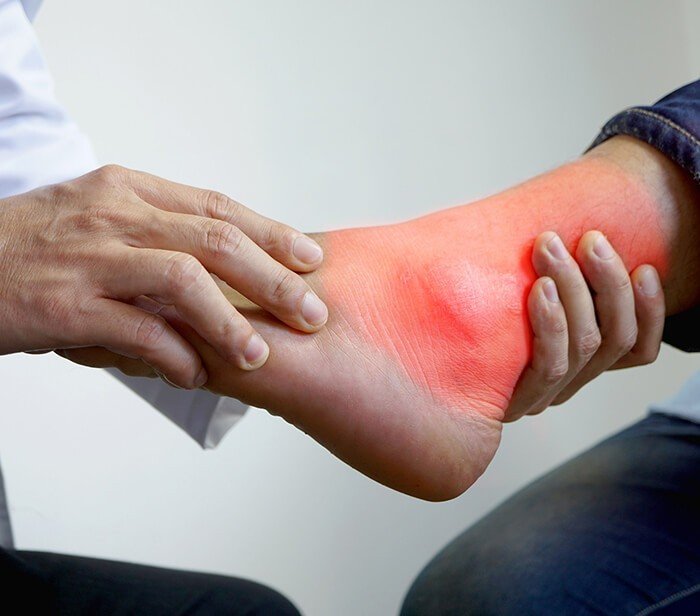
Gout is a painful form of arthritis that can cause sudden joint pain, swelling, redness, and tenderness. These symptoms often affect the big toe, ankles, and knees. Fortunately, healthy dietary habits and lifestyle changes can help reduce the risk of recurring gout attacks. Consulting a Gout Specialist in Gurgaon can help you understand your condition and develop a suitable treatment and prevention plan.
Gout develops when uric acid levels become elevated, allowing urate crystals to accumulate in and around the joints. Although certain foods and lifestyle habits may trigger attacks, gout is also influenced by genetics, kidney function, and other medical conditions. Therefore, managing gout requires a balanced approach that combines healthy habits with appropriate medical treatment.
For fast information, chat with us directly on WhatsApp.
Understanding the Connection Between Diet and Gout
Uric acid is produced when the body breaks down substances called purines. These substances occur naturally in the body and are also present in certain foods.
When uric acid levels remain high, crystals may form inside joints. This can trigger inflammation and intense pain.
Dietary changes can help manage some risk factors. However, food choices alone may not adequately control uric acid levels in every patient.
A Gout Specialist in Gurgaon can evaluate your symptoms, medical history, and uric acid levels to recommend appropriate treatment.
1. Reduce Foods High in Purines
Certain foods contain higher amounts of purines and may contribute to increased uric acid levels.
Reducing their consumption can help some people manage gout more effectively.
Foods to Limit
- Organ meats such as liver and kidneys
- Excessive consumption of red meat
- Certain seafood, including sardines and anchovies
- Shellfish such as prawns and mussels
- Meat-based gravies and concentrated meat extracts
You do not necessarily need to eliminate every protein source. Instead, focus on balanced meals and appropriate portion sizes.
Vegetables, whole grains, low-fat dairy products, and suitable plant-based proteins can support a healthier eating pattern.
2. Stay Hydrated Throughout the Day
Proper hydration supports normal kidney function and helps the body eliminate waste products, including uric acid.
Dehydration may increase the likelihood of gout attacks in susceptible individuals.
Simple Hydration Habits
- Drink water regularly throughout the day.
- Increase fluid intake when exercising or sweating, unless medically restricted.
- Carry a water bottle when travelling.
- Avoid relying heavily on sugary beverages.
Patients with kidney or heart conditions should discuss their fluid requirements with their doctor.
3. Limit Alcohol Consumption
Alcohol can interfere with uric acid regulation and increase the risk of gout attacks.
Beer and spirits are particularly associated with gout flare-ups. Alcohol consumption during an active attack may also worsen symptoms.
Reducing alcohol intake or avoiding it altogether can be beneficial for people experiencing recurrent gout.
A Gout Specialist in Gurgaon may also help identify individual triggers and recommend appropriate preventive measures.
4. Avoid Sugary Drinks and Excess Fructose
Sugary beverages can contribute to increased uric acid levels, particularly those containing high amounts of fructose.
Regular consumption of sweetened drinks may also contribute to weight gain and metabolic problems.
Healthier Alternatives
Consider replacing sugary beverages with:
- Plain water
- Unsweetened lemon water
- Unsweetened tea
- Water infused with fresh fruits
Whole fruits can generally be included in a balanced diet. However, excessive fruit juice consumption should be avoided.
5. Maintain a Healthy Body Weight
Excess body weight is associated with higher uric acid levels and an increased risk of gout attacks.
Gradual weight reduction may improve uric acid control and reduce pressure on weight-bearing joints.
Healthy Weight Management Tips
- Eat balanced meals with appropriate portions.
- Include vegetables and whole grains regularly.
- Reduce frequent consumption of fried foods.
- Avoid crash diets and prolonged fasting.
- Maintain a consistent exercise routine.
Rapid weight loss can sometimes trigger gout attacks. Therefore, gradual and sustainable weight management is preferable.
6. Exercise Regularly and Stay Physically Active
Regular physical activity supports weight management, cardiovascular health, and overall well-being.
However, exercise should be appropriate for your joint condition.
Recommended Activities
- Walking at a comfortable pace
- Swimming
- Cycling
- Gentle stretching
- Low-impact strengthening exercises
During an active gout attack, avoid putting excessive pressure on the affected joint. Rest and follow your doctor’s treatment recommendations until symptoms improve.
7. Follow a Balanced Diet for Gout Management
A balanced diet can support better metabolic health and help manage gout-related risk factors.
There is no single diet that prevents every gout attack. However, healthy eating patterns such as the DASH diet may be beneficial, especially for people with associated conditions like hypertension.
Include More of These Foods
- Fresh vegetables
- Whole grains
- Low-fat milk and yoghurt
- Appropriate portions of fruits
- Nuts and seeds
- Beans and other plant-based protein sources
A Gout Specialist in Gurgaon can help you understand which dietary adjustments are appropriate based on your uric acid levels, kidney health, and other medical conditions.
8. Manage Other Health Conditions
Gout frequently occurs alongside other health problems.
These may include:
- High blood pressure
- Diabetes
- Obesity
- Kidney disease
- High cholesterol
Managing these conditions is important for overall health and gout prevention.
Regular health check-ups can help identify potential problems early. Your doctor may also review certain medications that influence uric acid levels.
Never discontinue prescribed medicines without medical advice.
Why Medical Treatment Is Important for Preventing Gout Attacks
Lifestyle changes are valuable, but they may not be enough to prevent recurrent gout attacks.
Some patients require urate-lowering medications to maintain uric acid levels within a recommended target range. These medicines can help prevent future attacks and reduce the risk of long-term joint damage.
If you experience repeated joint swelling, sudden severe pain, or frequent gout attacks, seeking medical advice is important.
A Gout Specialist in Gurgaon, such as Dr. Naval Mendiratta, can help assess your condition and guide you towards appropriate gout management.
Early diagnosis and consistent treatment can improve long-term outcomes.
Conclusion
Preventing gout attacks requires a combination of healthy eating, regular physical activity, adequate hydration, and appropriate medical care.
Reducing high-purine foods, limiting alcohol, avoiding sugary beverages, and maintaining a healthy weight can help reduce gout-related risks. However, these measures should complement medical treatment rather than replace it.
If you are experiencing recurrent gout attacks or elevated uric acid levels, consult a Gout Specialist in Gurgaon for personalised evaluation and treatment guidance.
With the right approach, many patients can manage gout more effectively and maintain a better quality of life.
Frequently Asked Questions (FAQs)
1. Can diet alone prevent gout attacks?
Diet can help reduce certain gout triggers and support uric acid management. However, many patients also require medication to prevent recurrent attacks effectively.
2. Which foods should people with gout avoid?
People with gout should limit organ meats, excessive red meat, certain seafood, alcohol, and sugary beverages. Individual dietary recommendations may vary.
3. Does drinking water help reduce gout attacks?
Adequate hydration supports kidney function and helps the body eliminate waste. It may reduce dehydration-related triggers, although water alone cannot cure gout.
4. Can exercise help people with gout?
Yes. Regular low-impact exercise can support weight management and overall health. During an active gout attack, however, the affected joint should be rested.
5. When should I consult a Gout Specialist in Gurgaon?
You should consult a specialist if you experience repeated gout attacks, persistent joint swelling, severe joint pain, or difficulty controlling uric acid levels. Early medical evaluation can help prevent complications.