
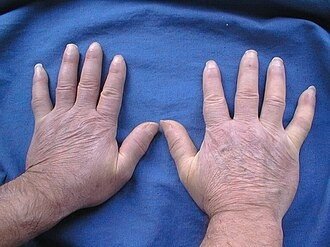
Scleroderma is a chronic autoimmune condition that primarily affects the skin, joints, and connective tissues. It can cause skin thickening, stiffness, joint pain, and reduced mobility, significantly impacting a patient’s daily life. Early diagnosis and specialized treatment are essential for managing symptoms effectively. Patients often seek care from the Best Scleroderma Doctor in Gurugram to ensure accurate evaluation and comprehensive treatment of this complex condition.
For fast information, direct chat with us on WhatsApp.
Dr. Naval Mendiratta is known for his expertise in managing autoimmune disorders, including scleroderma. Patients consulting the Best Scleroderma Doctor in Gurugram receive a structured and personalized approach to treatment, focusing on symptom control, disease progression, and long-term quality of life. Understanding how skin and joint symptoms are treated helps patients make informed decisions about their care.
Understanding Scleroderma and Its Effects on the Body
Scleroderma is an autoimmune disease where the immune system causes excessive production of collagen, leading to thickening and hardening of the skin and connective tissues. In some cases, it may also affect joints, blood vessels, and internal organs.
Patients consulting the Best Scleroderma Doctor in Gurugram often experience symptoms such as tight skin, joint stiffness, swelling, and restricted movement. These symptoms can vary in severity and may progress over time if not properly managed.
Because scleroderma affects multiple systems in the body, treatment requires a comprehensive and carefully monitored approach.
Importance of Early Diagnosis by the Best Scleroderma Doctor in Gurugram
Early diagnosis plays a critical role in managing scleroderma effectively. The Best Scleroderma Doctor in Gurugram focuses on identifying the disease at an early stage to prevent complications and slow progression.
Diagnosis typically involves a detailed medical history, physical examination, and specialized blood tests to detect autoimmune activity. In some cases, imaging studies may also be used to assess joint and tissue involvement.
Early detection allows for timely intervention, which can help reduce the severity of skin and joint symptoms.
Managing Skin Symptoms in Scleroderma
Skin involvement is one of the most common features of scleroderma. It often presents as thickening, tightening, or hardening of the skin, particularly on the hands, face, and limbs.
The Best Scleroderma Doctor in Gurugram focuses on reducing skin inflammation and slowing the progression of fibrosis. Treatment may include medications that help regulate the immune system and reduce collagen buildup.
In addition, topical treatments and supportive therapies may be recommended to improve skin flexibility and comfort.
Improving Skin Flexibility and Comfort
Maintaining skin flexibility is an important aspect of scleroderma management. The Best Scleroderma Doctor in Gurugram may recommend physiotherapy and gentle stretching exercises to help improve mobility.
Moisturizing treatments and skin care routines can also help reduce dryness and discomfort. These supportive measures play an important role in maintaining skin health and preventing further complications.
A combination of medical and supportive care helps improve overall skin condition in patients with scleroderma.
Treating Joint Pain and Stiffness
Joint involvement in scleroderma can lead to pain, stiffness, and reduced range of motion. The Best Scleroderma Doctor in Gurugram provides treatment strategies aimed at reducing inflammation and improving joint function.
Anti-inflammatory medications may be prescribed to manage pain and swelling. In some cases, immunosuppressive therapy is used to control the underlying autoimmune response.
Early treatment of joint symptoms helps prevent long-term damage and maintains mobility.
Role of Physiotherapy in Joint Management
Physiotherapy is an important part of managing joint symptoms in scleroderma. The Best Scleroderma Doctor in Gurugram often recommends physical therapy to help maintain joint flexibility and muscle strength.
Regular exercises can improve movement, reduce stiffness, and enhance overall physical function. Physiotherapy also helps patients adapt to changes in joint mobility caused by the disease.
A structured exercise program tailored to the patient’s condition can significantly improve quality of life.
Medication-Based Treatment Approach
Medication plays a key role in controlling both skin and joint symptoms of scleroderma. The Best Scleroderma Doctor in Gurugram may prescribe immunosuppressive drugs to regulate immune system activity.
These medications help reduce inflammation and slow the progression of tissue damage. Pain management medications may also be used to improve comfort and daily functioning.
Treatment plans are carefully adjusted based on the patient’s response and disease severity.
Monitoring Disease Progression
Scleroderma is a chronic condition that requires ongoing monitoring. The Best Scleroderma Doctor in Gurugram schedules regular follow-up visits to track disease progression and adjust treatment plans as needed.
Monitoring may include physical examinations, laboratory tests, and assessments of skin and joint function. Regular evaluation helps ensure that treatment remains effective over time.
Continuous monitoring also helps detect any complications at an early stage.
Lifestyle Support and Patient Education
Lifestyle management plays an important role in managing scleroderma symptoms. The Best Scleroderma Doctor in Gurugram provides guidance on maintaining a healthy lifestyle to support medical treatment.
Patients are often advised to avoid cold exposure, manage stress, and follow a balanced diet. These measures can help reduce symptom flare-ups and improve overall well-being.
Patient education is also essential in helping individuals understand their condition and actively participate in their care.
Multidisciplinary Approach to Care
Scleroderma often requires a multidisciplinary treatment approach involving different medical specialties. The Best Scleroderma Doctor in Gurugram coordinates care to address various aspects of the disease.
This may include collaboration with dermatologists, physiotherapists, and other specialists to ensure comprehensive treatment. A team-based approach helps manage both skin and joint symptoms more effectively.
Such coordinated care improves treatment outcomes and enhances patient support.
Long-Term Management and Quality of Life
Since scleroderma is a long-term condition, ongoing care is essential. The Best Scleroderma Doctor in Gurugram focuses on improving long-term quality of life through continuous treatment and support.
By managing symptoms effectively, patients can maintain independence and perform daily activities more comfortably. Regular medical care helps reduce complications and supports stable disease control.
Long-term management is key to living well with scleroderma.
Conclusion
Scleroderma is a complex autoimmune condition that affects both the skin and joints, requiring specialized and continuous medical care. Early diagnosis, personalized treatment, and regular monitoring are essential for effective disease management.
Patients seeking the Best Scleroderma Doctor in Gurugram can benefit from the expertise of Dr. Naval Mendiratta, who provides comprehensive care focused on controlling symptoms and improving quality of life. Through a combination of medication, physiotherapy, and lifestyle support, patients receive holistic treatment tailored to their needs.