
Systemic Lupus Erythematosus (SLE), commonly known as lupus, is a chronic autoimmune disease that can affect different parts of the body. If you experience persistent joint pain, unexplained fatigue, skin rashes, or recurring fever, seeking SLE Treatment in Gurgaon can help you understand the cause of your symptoms and receive appropriate medical care. Early evaluation is important because lupus can sometimes affect vital organs, including the kidneys, heart, lungs, and nervous system.
For fast information, chat with us directly on WhatsApp.
Knowing when to consult a specialist can make a meaningful difference in managing this condition. Dr. Naval Mendiratta can help patients understand their symptoms, explore appropriate investigations, and discuss a personalised management plan.
What Is Systemic Lupus Erythematosus (SLE)?
SLE is an autoimmune disease in which the immune system mistakenly attacks healthy tissues. This can cause inflammation in different parts of the body. Symptoms vary from person to person, and the condition may alternate between periods of increased activity, called flares, and periods when symptoms improve.
Some people experience mild symptoms, while others may develop complications that require closer monitoring. Therefore, lupus should not be managed solely by treating individual symptoms.
7 Signs That You Should Consult a Specialist for SLE Treatment in Gurgaon
Recognising possible warning signs is an important step towards receiving timely care. Consider consulting a qualified specialist if you experience the following symptoms.
1. Persistent Joint Pain or Swelling
Joint pain, stiffness, and swelling are common symptoms of lupus. You may notice discomfort in your hands, wrists, knees, or other joints. Morning stiffness or recurring joint inflammation may also interfere with everyday activities.
If these symptoms continue or return frequently, a specialist can evaluate whether they are related to lupus or another inflammatory condition.
2. Unexplained Fatigue and Recurring Fever
Extreme tiredness that does not improve with adequate rest can occur in people with SLE. Some patients also experience unexplained fever, particularly during periods of increased disease activity.
However, fever can also indicate an infection. This distinction is important because people receiving immune-suppressing treatment may have an increased risk of infections.
3. Skin Rashes and Sun Sensitivity
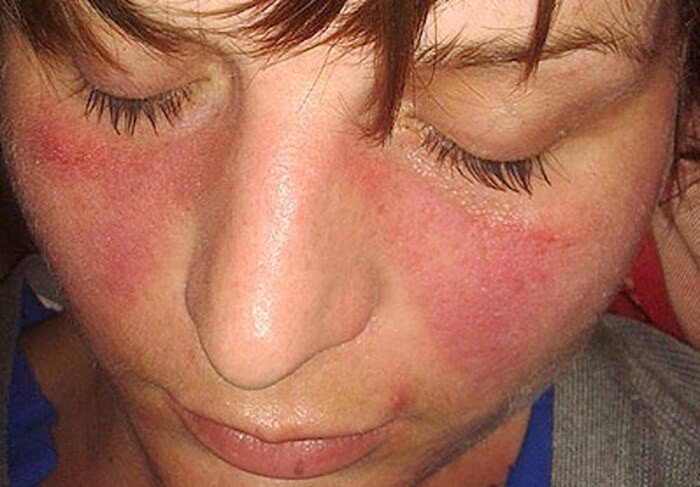
Some people with lupus develop rashes after exposure to sunlight. A butterfly-shaped rash across the cheeks and nose is a recognised sign, although not everyone with lupus develops it.
Other symptoms may include skin inflammation, mouth ulcers, or unusual hair loss. If these problems persist or appear alongside joint pain and fatigue, consider seeking medical advice.
4. Abnormal Blood or Urine Test Results
Lupus can affect blood cells and kidney function. Unexplained anaemia, low white blood cell counts, or low platelet counts may prompt further investigation.
Protein or blood in the urine can also indicate kidney involvement. These abnormalities do not automatically confirm lupus, but they should be evaluated in the context of your symptoms and medical history.
5. Chest Pain or Breathing Difficulties
Inflammation associated with lupus can affect the lining around the lungs or heart. Some people experience chest discomfort that worsens when taking a deep breath.
Sudden or severe chest pain, significant breathing difficulty, or fainting requires urgent medical assessment rather than a routine appointment.
6. Neurological Symptoms
In some cases, lupus may affect the nervous system. Symptoms can include persistent headaches, confusion, memory changes, or other neurological problems.
Sudden weakness, difficulty speaking, seizures, or a sudden severe headache require emergency evaluation. These symptoms should never be assumed to be caused by lupus without medical assessment.
7. Symptoms That Keep Returning Despite Treatment
If you have already been diagnosed with lupus and your symptoms are becoming more frequent, your treatment plan may need to be reviewed.
Repeated flares, new symptoms, medication side effects, or changes in laboratory results can indicate that your condition requires reassessment. Specialist follow-up helps identify these changes and supports safer long-term management.
Why Is Early SLE Treatment in Gurgaon Important?
Early assessment helps doctors identify disease activity and check whether vital organs are affected. It can also reduce delays in starting appropriate treatment.
The goals of SLE Treatment in Gurgaon include controlling inflammation, reducing flare-ups, protecting organs, and maintaining quality of life.
Although there is currently no universal cure for SLE, many people manage the condition successfully with appropriate medication, regular monitoring, and lifestyle adjustments.
How Is Lupus Diagnosed?
Diagnosing SLE can be challenging because its symptoms overlap with those of other medical conditions. A specialist considers the complete clinical picture rather than relying on a single test.
Depending on your symptoms, investigations may include:
- Blood tests: To assess blood cell counts and look for antibodies associated with lupus.
- ANA testing: To check for antinuclear antibodies, which are common in people with SLE but can also occur in other situations.
- Additional antibody tests: Such as anti-dsDNA and anti-Smith antibodies, when clinically appropriate.
- Kidney function tests: To assess how well the kidneys are working.
- Urine tests: To detect protein, blood, or other signs of kidney involvement.
- Complement tests: To help assess immune activity in the appropriate clinical context.
In selected cases, additional investigations or a kidney or skin biopsy may be recommended.
No single result confirms lupus in every patient. Diagnosis requires careful interpretation of symptoms, examination findings, and laboratory results.
What Treatment Options Are Available for SLE?
Treatment depends on the symptoms, severity of inflammation, organs involved, and individual medical needs.
A specialist may consider the following options:
Hydroxychloroquine: Commonly used to help control lupus symptoms and reduce disease flares. It requires appropriate monitoring.
Corticosteroids: May be prescribed for short-term control of inflammation, depending on disease activity. The dose and duration should be carefully managed.
Immunosuppressive medicines: Medicines such as azathioprine or mycophenolate may be considered when particular organs are affected or additional disease control is needed.
Biological therapies: Selected patients may benefit from targeted treatments when standard approaches do not provide adequate control.
Not every patient requires the same medication. Never start, stop, or change lupus medicines without consulting your treating doctor.
How Can You Manage Lupus Alongside Medical Treatment?
Medication is only one part of long-term lupus management. Consistent daily habits and regular follow-up can support your treatment plan.
- Protect your skin from excessive sunlight by using suitable sun protection.
- Maintain a balanced diet and stay physically active according to your abilities.
- Get adequate sleep and allow time for rest during periods of fatigue.
- Attend scheduled appointments and complete recommended blood and urine tests.
- Take prescribed medicines consistently and discuss any side effects with your doctor.
- Inform your healthcare team about new symptoms, infections, or plans for pregnancy.
These measures support medical care but do not replace prescribed treatment.
Consult Dr. Naval Mendiratta for SLE Treatment in Gurgaon
Living with lupus can be challenging, particularly when symptoms are unpredictable. However, early diagnosis and an individualised management plan can help many patients maintain their daily activities and reduce the risk of complications.
If you have persistent symptoms, abnormal test results, or an existing lupus diagnosis that requires reassessment, consider consulting a qualified specialist. Dr. Naval Mendiratta can help you understand the importance of evaluation, monitoring, and appropriate treatment decisions.
Choosing timely SLE Treatment in Gurgaon can help you take a more informed approach to managing your health. Seek medical advice early, follow your treatment plan, and attend regular check-ups to monitor changes in your condition.
Frequently Asked Questions
1. What are the early symptoms of SLE?
Early symptoms may include persistent fatigue, joint pain, unexplained fever, skin rashes, hair loss, and mouth ulcers. Symptoms vary, so medical evaluation is necessary to identify the cause.
2. Can SLE be completely cured?
There is currently no universal cure for SLE. However, appropriate treatment can control inflammation, reduce flare-ups, and help many people achieve periods of remission or low disease activity.
3. Which specialist should I consult for lupus treatment?
A rheumatologist is generally the main specialist for diagnosing and managing SLE. Other specialists, such as nephrologists or dermatologists, may be involved if particular organs are affected.
4. What tests are required to diagnose SLE?
Depending on the clinical findings, tests may include ANA, anti-dsDNA antibodies, blood counts, kidney function tests, complement levels, and urine analysis. No single test is sufficient to diagnose every case.
5. How often should patients with SLE visit their doctor?
Follow-up frequency depends on disease activity, organ involvement, and the medicines being used. Patients with active disease may need more frequent assessments, while those with stable disease may attend less frequently as advised by their specialist.