
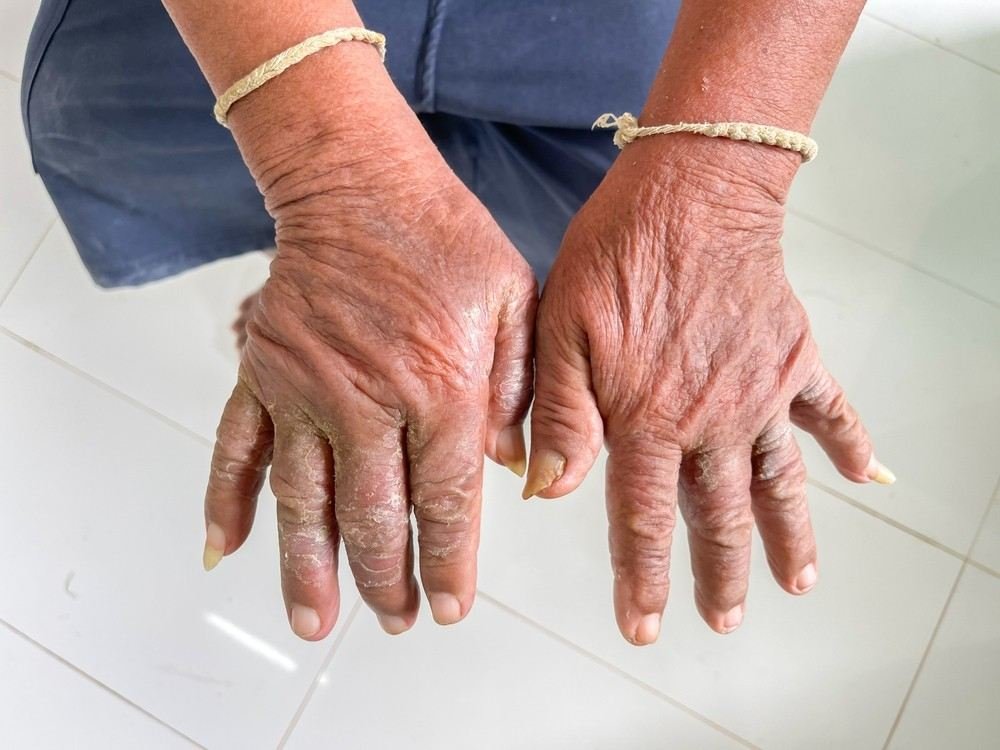
Scleroderma is a rare autoimmune condition that can cause skin thickening, tightness, and changes in blood vessels. In some people, it can also affect internal organs. Finding the right Scleroderma Treatment in Gurugram begins with understanding the type of scleroderma, the symptoms, and the areas of the body involved.
For fast information, chat with us directly on WhatsApp.
Although there is currently no universal cure for scleroderma, appropriate treatment can help control symptoms, manage complications, and improve quality of life. Early diagnosis and regular monitoring are important because the condition can affect different people in different ways.
What Is Scleroderma and How Does It Affect the Body?
Scleroderma is an autoimmune condition in which the body produces excess collagen, a protein that provides structure to the skin and other tissues. This can lead to thickening, tightening, and scarring.
There are two main forms of scleroderma.
- Localized scleroderma: Mainly affects the skin and underlying tissues.
- Systemic sclerosis: Can affect the skin, blood vessels, digestive system, lungs, heart, and kidneys.
Symptoms may include tight skin, swollen fingers, joint pain, fatigue, and sensitivity to cold. Some people experience Raynaud’s phenomenon, in which fingers or toes change colour in response to cold or stress.
The treatment approach depends on the type of disease and its severity. Therefore, an individual assessment is essential before choosing a treatment plan.
What Are the Treatment Options for Scleroderma in Gurugram?
There is no single medicine that works for every person with scleroderma. Treatment focuses on the symptoms, the affected organs, and the risk of complications.
1. Medicines to Manage Skin Thickening
Skin thickening and tightness can make everyday activities difficult. For example, some people struggle to bend their fingers, open their mouths fully, or move their joints comfortably.
Depending on the type and severity of skin involvement, doctors may consider medicines such as methotrexate or mycophenolate mofetil. These medicines affect immune system activity and may help control certain forms of the disease.
For localized scleroderma, topical medicines or light-based treatments may be appropriate in selected cases.
The choice depends on the depth of skin involvement and whether the condition is progressing. Early assessment can help prevent lasting restrictions in movement.
2. Treatment for Raynaud’s Phenomenon
Raynaud’s phenomenon is common in people with systemic sclerosis. It causes blood vessels in the fingers and toes to narrow temporarily, reducing blood flow.
During an episode, the affected areas may become white, blue, or red. Numbness, tingling, and discomfort can also occur.
Treatment options may include:
- Keeping the hands and feet warm.
- Avoiding sudden exposure to cold temperatures.
- Managing stress and avoiding smoking.
- Taking prescribed medicines that improve blood flow.
Doctors may recommend calcium channel blockers or other vasodilator medicines when necessary. Severe cases may require additional treatment to reduce the risk of ulcers and tissue damage.
3. Medicines for Lung Complications
Systemic sclerosis can cause interstitial lung disease, which affects the tissue surrounding the air sacs in the lungs. This may lead to breathlessness, a persistent dry cough, and reduced exercise tolerance.
Doctors may recommend lung function tests and imaging to assess the extent of lung involvement. Treatment may include immunosuppressive medicines, such as mycophenolate mofetil, depending on the clinical findings.
In selected patients, antifibrotic treatment such as nintedanib may help slow the decline in lung function associated with systemic sclerosis-related lung disease.
Early detection is important because lung complications may develop before symptoms become obvious. Regular monitoring helps doctors assess whether treatment needs to change.
4. Managing Digestive System Problems
Scleroderma may affect the muscles and nerves involved in digestion. As a result, some people experience acid reflux, bloating, constipation, or difficulty swallowing.
Treatment depends on the specific problem. Doctors may recommend acid-reducing medicines for reflux or other medicines to address particular digestive symptoms.
Lifestyle adjustments can also help. Eating smaller meals, avoiding foods that trigger reflux, and remaining upright after eating may reduce discomfort.
Persistent swallowing difficulties, unexplained weight loss, or ongoing digestive symptoms should be evaluated promptly. These problems may require further investigations or specialist care.
5. Treatment for Joint Pain and Reduced Mobility
Joint pain, muscle discomfort, and skin tightness can interfere with daily activities. They may also reduce flexibility in the hands, wrists, and other joints.
Depending on the cause, doctors may recommend suitable pain-relieving medicines or other treatments. Physical and occupational therapy can also help maintain mobility and improve the ability to perform everyday tasks.
Gentle stretching and regular, appropriate physical activity may support flexibility. However, exercises should be adjusted to individual needs, especially when painful joints or skin ulcers are present.
A treatment plan should address both the underlying disease and its impact on daily life.
6. Monitoring Heart and Kidney Health
Systemic sclerosis can sometimes affect the heart and kidneys. Potential complications include pulmonary arterial hypertension, heart rhythm abnormalities, and scleroderma renal crisis.
Regular blood pressure checks and appropriate blood and urine tests help assess kidney health. Depending on symptoms and individual risk, doctors may also recommend an echocardiogram or other heart and lung investigations.
A sudden rise in blood pressure, severe headache, breathlessness, chest pain, or a significant reduction in urine output requires urgent medical assessment.
Early recognition of these complications is essential because some can progress quickly.
Why Is Early Scleroderma Treatment Important?
Scleroderma can progress differently from one person to another. Some people have limited skin involvement, while others develop complications affecting multiple organs.
Early treatment offers several potential benefits:
- Helps control symptoms before they become more limiting.
- Supports joint movement and everyday functioning.
- Allows early detection of lung, heart, and kidney complications.
- Helps doctors monitor disease progression.
- Supports better long-term management and quality of life.
People seeking Scleroderma Treatment in Gurugram should discuss their symptoms, medical history, and monitoring needs with a qualified specialist. Regular follow-ups remain important even when symptoms are mild.
How to Support Scleroderma Management at Home
Medical treatment is the foundation of care, but daily habits can also help manage symptoms.
Consider the following measures:
- Keep your hands and feet warm if you experience Raynaud’s phenomenon.
- Use gentle moisturisers to manage dry skin.
- Avoid smoking because it can worsen blood vessel problems.
- Maintain regular, gentle physical activity as advised by your doctor.
- Attend scheduled appointments and complete recommended tests.
- Take prescribed medicines as directed and report possible side effects.
Avoid starting supplements, steroids, or other medicines without medical advice. Some treatments may be unsuitable for particular forms of scleroderma or may increase the risk of complications.
Choosing the Right Specialist for Scleroderma Treatment in Gurugram
Scleroderma can involve several body systems, so its management may require coordinated care. A rheumatologist can assess the autoimmune condition and guide treatment. Depending on the complications, care may also involve dermatologists, pulmonologists, cardiologists, nephrologists, and physiotherapists.
When considering Scleroderma Treatment in Gurugram, look for a specialist who can evaluate your symptoms, explain the available options, and arrange appropriate follow-up.
Your treatment plan should be based on the specific type of scleroderma, the organs affected, and your response to treatment. Regular communication with your healthcare team helps ensure that new symptoms receive timely attention.
Conclusion
Scleroderma requires an individualised approach because its symptoms and complications vary widely. Treatment may involve medicines for skin changes, improved blood flow, lung complications, digestive symptoms, and joint problems. Regular monitoring is equally important to identify changes affecting internal organs.
Although there is no universal cure, the right treatment can help control symptoms, reduce complications, and maintain quality of life. If you are considering Scleroderma Treatment in Gurugram, consult a qualified specialist for an accurate assessment and a personalised management plan.
Medical note: This article is for educational purposes only. Treatment decisions should be made with a qualified healthcare professional based on an individual’s clinical condition.
Frequently Asked Questions About Scleroderma Treatment
1. Can scleroderma be completely cured?
There is currently no universal cure for scleroderma. However, treatment can help control symptoms, manage complications, and slow disease progression in selected cases.
2. Which doctor treats scleroderma?
A rheumatologist commonly manages systemic sclerosis because it is an autoimmune condition. A dermatologist may help manage skin-related problems, while other specialists may be involved if internal organs are affected.
3. What medicines are used to treat scleroderma?
Treatment may include immunosuppressive medicines, vasodilators, medicines for acid reflux, and other drugs selected for specific complications. The choice depends on the type of scleroderma and the organs involved.
4. Can scleroderma affect the lungs?
Yes. Systemic sclerosis can cause lung problems, including interstitial lung disease and pulmonary arterial hypertension. Regular assessments and appropriate investigations can help detect these complications.
5. Why is regular monitoring important during scleroderma treatment?
Regular monitoring helps doctors assess disease activity, check for organ complications, evaluate treatment effectiveness, and identify side effects. It also allows the treatment plan to be adjusted when necessary.