
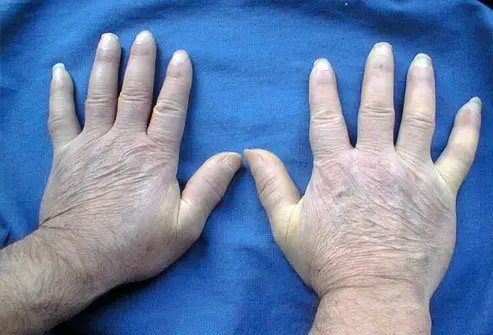
Scleroderma is a complex autoimmune condition that can affect the skin, blood vessels and, in some cases, internal organs. If you notice unusual skin tightening, thickening, changes in finger colour, or persistent joint and digestive symptoms, it may be time to consult a specialist. Seeking Scleroderma Treatment in Gurgaon can help with proper evaluation, symptom management and monitoring for possible complications.
For fast information, direct chat with us on WhatsApp.
Scleroderma can vary considerably from one person to another. Some people mainly experience skin changes, while others may develop problems involving the lungs, heart, kidneys or digestive system. This is why recognising symptoms and getting an appropriate medical assessment is important.
What Is Scleroderma?
Scleroderma refers to a group of conditions associated with hardening and tightening of the skin. In systemic sclerosis, the condition can also affect blood vessels and internal organs.
The condition is associated with excess collagen production and changes in the immune system. There are different forms of scleroderma, including localised scleroderma and systemic sclerosis. Their symptoms and potential complications can be different.
Because scleroderma can affect several parts of the body, treatment is generally based on the person’s symptoms, disease pattern and organs involved.
When Should You Seek Scleroderma Treatment in Gurgaon?
You should consider medical evaluation if you develop persistent or unexplained symptoms that could be associated with scleroderma.
1. Your Skin Becomes Tight or Thick
One of the most noticeable signs of scleroderma is skin that becomes unusually hard, tight or thick.
The changes may first appear on the fingers, hands, face or feet. The affected skin can sometimes look shiny and may feel less flexible.
If these changes persist or gradually increase, consult a doctor rather than assuming they are simply a skin problem.
2. Your Fingers Change Colour in Cold Weather
Raynaud’s phenomenon is commonly associated with systemic sclerosis. Fingers or toes may become white, blue or red when exposed to cold or during emotional stress.
You may also experience numbness, tingling or pain during these episodes.
Raynaud’s can occur without scleroderma, but recurrent or severe episodes should be discussed with a healthcare professional, particularly when accompanied by skin tightening or other symptoms.
3. You Develop Persistent Joint Pain or Stiffness
Scleroderma may affect the tissues around joints and can be associated with pain, stiffness and reduced movement.
If morning stiffness, hand stiffness or joint discomfort continues for weeks or begins interfering with everyday activities, a medical evaluation can help identify the underlying cause.
Early assessment may also help determine whether the symptoms are related to scleroderma or another rheumatic condition.
4. You Have Difficulty Swallowing or Frequent Heartburn
Scleroderma can affect the digestive tract. Some people experience heartburn, difficulty swallowing, bloating, constipation or diarrhoea.
Frequent digestive symptoms should not automatically be attributed to acidity or an ordinary digestive problem. When these symptoms occur together with skin or circulation changes, discussing them with a specialist becomes particularly important.
5. You Experience Shortness of Breath
Breathlessness deserves prompt medical attention, especially when it is new, persistent or gradually worsening.
Systemic sclerosis can affect the lungs and may be associated with lung scarring or pulmonary hypertension. These complications can sometimes develop alongside other symptoms of the disease.
If you have unexplained breathlessness, reduced exercise tolerance or dizziness, seek medical evaluation rather than delaying care.
6. You Notice Sores or Changes on Your Fingertips
Reduced blood flow associated with severe Raynaud’s phenomenon can sometimes cause fingertip sores or tissue damage.
Painful sores, persistent colour changes or wounds that do not heal normally should be assessed by a healthcare professional.
These symptoms may require more detailed evaluation of circulation and the possible effects of systemic disease.
Why Early Evaluation Matters in Scleroderma
There is currently no single treatment that cures scleroderma. However, different treatments can help manage symptoms and reduce the risk of complications.
The treatment approach depends on whether the condition is localised or systemic and which parts of the body are affected. Regular monitoring can also help doctors identify problems involving organs such as the lungs, kidneys, heart or digestive system.
Therefore, Scleroderma Treatment in Gurgaon should not be viewed only as treatment for visible skin changes. A comprehensive evaluation may be necessary to understand the overall pattern of the disease.
How Is Scleroderma Diagnosed?
There is no single test that confirms every case of scleroderma. Doctors generally consider the patient’s medical history, symptoms and physical examination.
Depending on the situation, investigations may include blood tests for specific antibodies, imaging studies and tests that assess organ function.
For example, doctors may evaluate the lungs, heart, kidneys or digestive system when symptoms suggest possible involvement.
This is one reason why choosing appropriate Scleroderma Treatment in Gurgaon should begin with a proper diagnosis rather than self-treatment.
What Does Scleroderma Treatment Involve?
Treatment varies according to the type and severity of the disease.
Depending on the symptoms, treatment may involve medicines to improve blood circulation, control immune-system activity, manage digestive symptoms, reduce pain or address other complications.
Physical or occupational therapy may also be useful for maintaining movement and managing stiffness. Skin care, regular physical activity and protection from cold can also form part of symptom management.
In more complex cases, care may involve coordination between different medical specialties because systemic sclerosis can affect multiple organs.
Lifestyle Measures That May Support Treatment
Along with prescribed treatment, certain everyday measures may help manage symptoms.
Keeping the hands and body warm can be useful for people experiencing Raynaud’s symptoms. Regular, appropriate physical activity can help maintain flexibility and mobility.
Moisturising the skin may help with dryness, while avoiding smoking is important because nicotine can constrict blood vessels and worsen circulation-related symptoms.
These measures should complement, rather than replace, medical treatment.
When Is Scleroderma an Urgent Concern?
Some symptoms should not be ignored.
Seek prompt medical attention if you develop significant or rapidly worsening breathlessness, severe chest symptoms, major changes in blood pressure, painful fingertip ulcers or other symptoms that appear suddenly or become severe.
Systemic sclerosis can affect important organs, so new or worsening symptoms require appropriate medical assessment.
Choosing Scleroderma Treatment in Gurgaon
If you have symptoms that may indicate scleroderma, the first step is a proper medical evaluation.
A specialist can review your symptoms, medical history and test results to understand the condition and determine whether further investigations are required. Since scleroderma can involve different body systems, ongoing monitoring may also be recommended.
For people looking for Scleroderma Treatment in Gurgaon, timely consultation can help establish an appropriate treatment and monitoring plan based on individual needs.
Conclusion
Scleroderma can present with subtle symptoms, including skin tightening, Raynaud’s phenomenon, joint stiffness and digestive problems. In some people, the condition can also affect the lungs, heart or kidneys.
Do not ignore persistent or unusual symptoms, particularly when several symptoms occur together. Early evaluation allows the doctor to identify the type and extent of the condition and consider appropriate management.
If you are experiencing symptoms associated with scleroderma, consulting a qualified specialist for Scleroderma Treatment in Gurgaon can be an important step toward proper diagnosis, symptom management and long-term monitoring.
Frequently Asked Questions About Scleroderma
1. What is the first sign of scleroderma?
Early symptoms vary. Skin tightening or thickening and Raynaud’s phenomenon, where fingers or toes change colour in response to cold or stress, are common features of systemic sclerosis.
2. Can scleroderma affect internal organs?
Yes. Systemic sclerosis can affect organs such as the lungs, heart, kidneys and digestive system. However, the extent of organ involvement varies from person to person.
3. Is there a cure for scleroderma?
There is currently no cure that completely stops the underlying collagen overproduction associated with scleroderma. However, treatments can help control symptoms, manage complications and, in some cases, slow disease progression.
4. What tests may be used to diagnose scleroderma?
Depending on symptoms, doctors may use a physical examination, blood tests for certain antibodies, imaging and tests to assess the function of organs such as the lungs, heart or kidneys.
5. When should I consult a doctor for possible scleroderma?
You should consider medical evaluation if you have persistent skin tightening, repeated Raynaud’s episodes, unexplained joint stiffness, swallowing problems, ongoing heartburn, fingertip sores or unexplained breathlessness.